Our Process
A hydrometallurgical process that recycles steel grinding sludge and swarf into a circular source of iron chloride for water treatment — plus hydrogen and recyclable alloys.
What is grinding sludge?
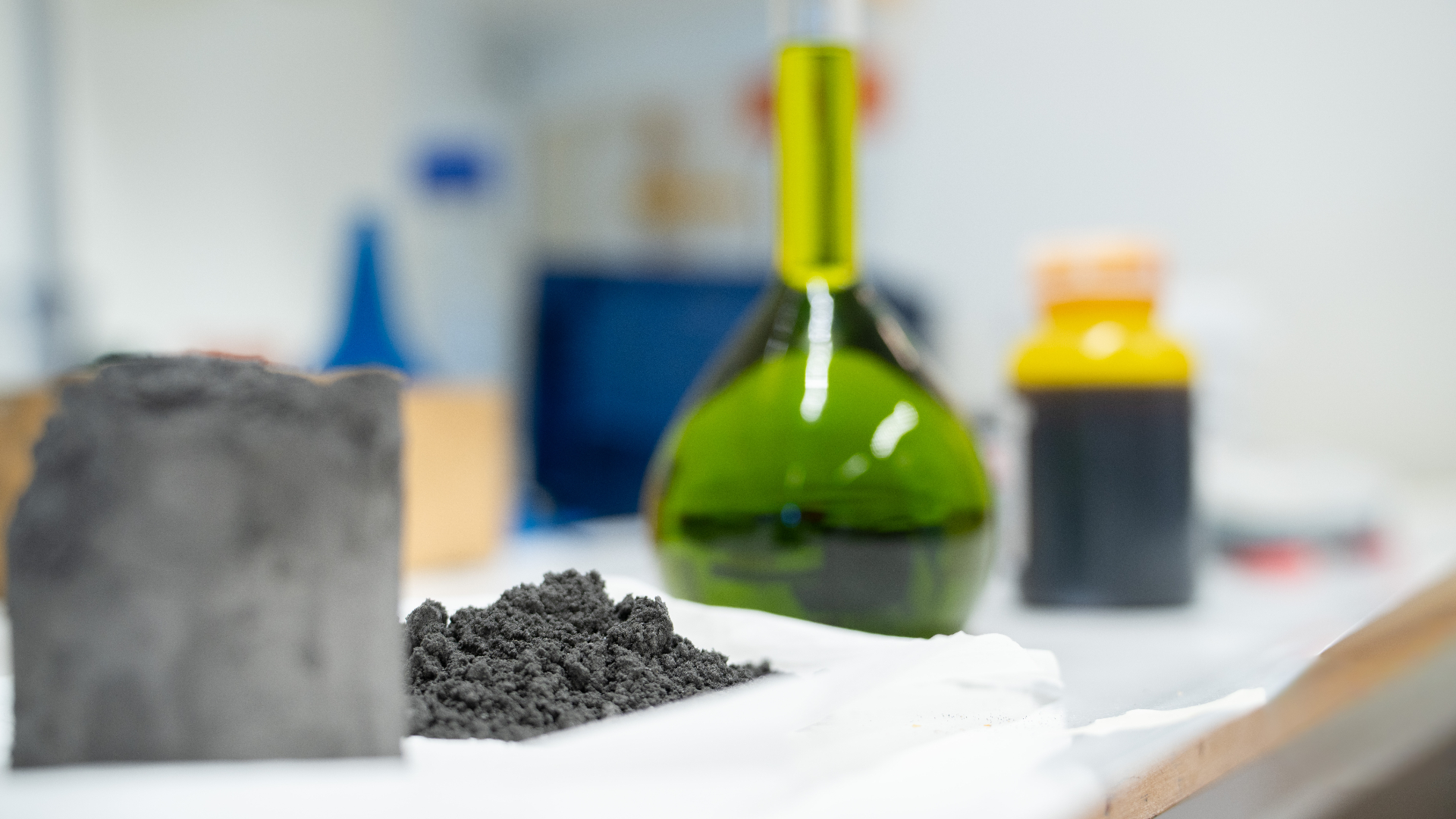
When steel is shaped or polished with cutting fluids, grinding sludge is generated. This waste is difficult to recycle and is most often sent to incineration and landfill because of its fine-grained structure — leading to loss of valuable materials, CO2 emissions and high costs.
Our process
Anferra offers a cost-efficient and circular alternative by converting the iron content into high-purity iron chloride for water treatment — for waste water treatment and drinking water production.
Input
Hazardous grinding sludge
Core process
Hydrometallurgical leaching, purification and filtration
Outputs
Iron chloride, hydrogen gas and recyclable filter cake
In collaboration with SKF Group
This short infographic film — produced together with SKF Group — walks through how Anferra turns steel grinding sludge into iron chloride, hydrogen and recoverable alloys.
Outputs
Ferric Chloride
A high-purity iron chloride (FeCl₃) for water treatment, produced by working with established partners and resellers of iron-based coagulants — increasing the availability of high-quality water treatment chemicals made from recycled iron and reducing dependence on virgin iron ore.
Green Hydrogen (H₂)
Expected to play a significant role in the future energy system and in decarbonising heavy industries. Utilisation of the hydrogen gas generated in our process can be adapted to fulfil the needs of the surrounding industrial system — as chemical or metallurgical processes, electricity, or fuel for transportation.
Alloys
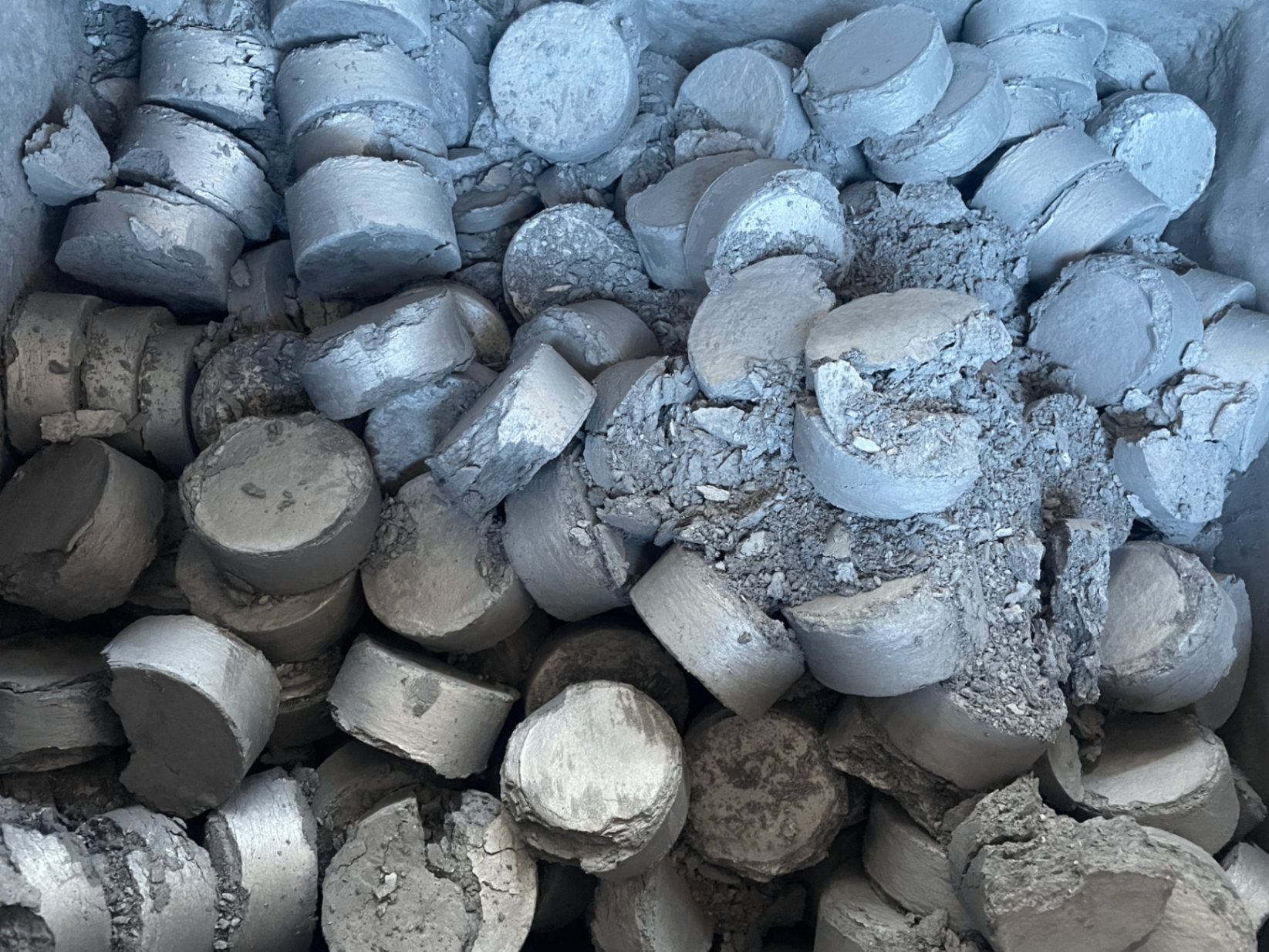
The solid output contains higher concentrations of alloying elements such as molybdenum and chromium, valuable in the production of stainless steel. By recovering the solid by-products for reuse, Anferra aims to enable 100% recycling of the grinding swarf.